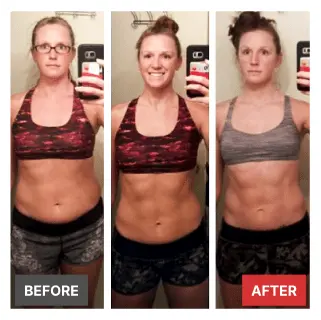
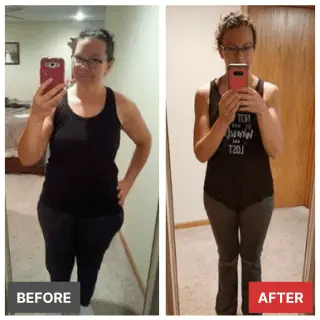
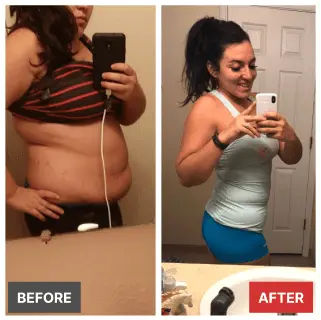
Results for Fat Loss & Muscle Gain
Trusted by over 10 million users since 2012
Lorem ipsum dolor sit amet, consectetuer adipiscing elit. Aenean commodo ligula eget dolor. Aenean massa. Cum sociis natoque penatibus et magnis dis parturient montes, nascetur ridiculus mus. Donec quam felis, ultricies nec, pellentesque eu, pretium quis, sem. Nulla consequat massa quis enim.

YOUR WEIGHT LOSS IS GUARANTEED.
Since 2012, the Original IIFYM Macro Calculator has helped more than 10 million people calculate macros, track daily calories, and achieve life-changing results. As the first macro calculator ever created, it revolutionized the world of fitness and nutrition by making macro tracking simple, accurate, and accessible to everyone. Today, it remains the most trusted and widely used macro calculator online, relied on by athletes, bodybuilders, coaches, trainers, and even medical professionals.
This tool was developed by Anthony Collova, founder of IIFYM.com and creator of the “If It Fits Your Macros” approach to nutrition. With nearly 30 years of experience in recovery, self-care coaching, and biohacking, Anthony built one of the most reliable and effective macro calculators in the world contributing to more than 10 million macro profiles created and an estimated 1.6 million pounds lost (based on user-reported data) through the IIFYM flexible dieting system.
As an NPC bodybuilder, weight-loss coach, and expert in sustainable transformation, Anthony designed the IIFYM framework to eliminate dieting confusion and deliver real-world results rooted in science, consistency, and freedom. His work extends beyond nutrition; Anthony has spent years studying somatic healing, emotional regulation, and nervous system science, integrating these principles into his weight loss coaching because true transformation requires more than just tracking macros. Sustainable fat loss demands behavior change, mindset clarity, nervous system balance, and metabolic conditioning while maintaining the ability to stay accurate and consistent long enough to see results.
The macro calculator presented here is the culmination of Anthony’s decades of experience, research, and coaching, making it the most accurate, comprehensive, and user-trusted macro calculator available anywhere online.
More than 10 million people have used the IIFYM Macro Calculator to calculate macros, determine daily calorie needs, and personalize their nutrition. When we introduced the first macro calculator in 2012, it changed the way people eat, train, lose weight, gain muscle, and approach long-term health. Since then, this tool has remained the most trusted and accurate free macro calculator for individuals, coaches, athletes, and dieticians worldwide.
To get your personalized results, use the calculator above and enter your age, gender, height, body weight, body fat (if you know it), activity level, dietary preference, and fitness goal. Once submitted, the calculator instantly generates your daily calorie needs, macro targets, ideal protein, carb, and fat intake, a suggested calorie deficit or surplus, and a balanced macronutrient ratio based on your body composition and activity level.
The following sections explain how we calculate your macros, why this tool is uniquely accurate, and how to apply your macro targets in a realistic, sustainable way without confusion, restriction, or guesswork.
Macros, short for macronutrients, are the nutrients your body requires in the largest amounts. They shape your calorie intake, metabolic rate, muscle growth, energy levels, appetite control, hormonal balance, recovery, and body composition. Understanding macros is the foundation of successful nutrition for fat loss, muscle gain, body recomposition, and long term health.
Protein is essential for repair and growth, building lean muscle, stabilizing appetite, supporting hormones, strengthening the immune system, and preventing muscle loss during a calorie deficit. Adequate protein intake improves body composition, helps maintain your current weight, makes losing fat more efficient, and supports overall health.
As Dr. Joe Klemczewski explains in our interview, evidence-based protein strategies are essential for bodybuilding and long-term body composition. His research shows how protein influences metabolism, appetite regulation, and sustainable fat loss.
Carbs provide glucose, the body’s preferred energy source. They support daily energy, workout performance, brain function, digestion, and hormonal balance. Carbohydrates increase metabolic output and help you burn more fat when consumed at levels appropriate to your activity level. Carbs do not cause weight gain; consuming too many calories does.
As Dr. Layne Norton discusses in our interview, carbohydrate intake directly influences performance, thermic effect of food (TEF), and satiety – especially when fiber intake is optimized.
Dietary fat supports hormone production, brain function, vitamin absorption, blood pressure regulation, and nervous system health. The proper fat intake keeps your body functioning optimally while helping your diet remain enjoyable and sustainable.
As IFBB Pro and Certified Nutrition Specialist Brandan Fokken explains in our interview, his body responds well to fats – which is why he implements healthy fats strategically in both his own prep and his clients’ nutrition plans.
His approach focuses on building metabolic capacity first, then making gradual adjustments rather than cutting everything out at once.
The following percentages show how your total calories can be distributed across protein, carbs, and fats depending on your fitness goal. Remember, ratios are less than ideal and should only be used as guide. These are general starting points – your individual needs may vary based on body composition, activity level, lifestyle, and how your body responds.
| Goal | Protein | Carbs | Fats |
|---|---|---|---|
| Cutting (Weight Loss) | 35% – 40% | 30% – 35% | 20% – 30% |
| Recomposition / Maintenance | 30% | 40% | 30% |
| Bulking (Muscle Gain) | 25% – 30% | 45% – 55% | 20% – 25% |
| Athletic / Performance | 20% – 25% | 50% – 60% | 20% – 25% |
BMR represents the number of calories your body burns at rest.
We use three research-backed equations, each selected automatically based on the user’s input:
Katch-McArdle → used when the user enters body-fat percentage (most accurate for lean or muscular individuals)
After determining your BMR, NEAT, EAT, and TEF, we combine these factors to calculate your TDEE and your actual daily calorie needs. From there, we create a calorie deficit for weight loss, a calorie surplus for muscle gain, or a maintenance level to stabilize your current weight.
This layered approach is why the IIFYM macro calculator delivers highly accurate and personalized results.
As Layne Norton explains in his interview, foods high in protein and fiber significantly increase your thermic effect of food and support metabolic efficiency.
Watch our Layne Norton interview to see his breakdown of TEF and metabolic adaptation.
EAT accounts for calories burned during workouts such as weightlifting, cardio, sports, and high-intensity training. The frequency, intensity, and duration of your training sessions influence your calorie burn. Our calculator adjusts accordingly.
NEAT refers to the calories burned through everyday movement outside of intentional exercise, including walking, standing, cleaning, working, and even fidgeting. NEAT varies widely between individuals, which is why two people of the same bodyweight can have dramatically different calorie needs.
35-year-old female, 150 lbs, moderately active
⬇️
1,650 calories | 130g protein | 165g carbs | 55g fat | 24g fiber
28-year-old athletic male, 180 lbs, very active
⬇️
2,850 calories | 180g protein | 340g carbs | 85g fat | 40g fiber
45-year-old female, 140 lbs, lightly active
⬇️
1,750 calories | 115g protein | 190g carbs | 58g fat | fiber 36 fiber
Your activity level plays a significant role in your daily calorie needs. Selecting the wrong category is one of the most common mistakes in macro tracking, which can lead to overeating or eating too few calories.
Sedentary individuals have minimal daily movement and do not engage in structured exercise. Light activity includes one to three workouts per week or a low daily step count. Moderate activity includes four or five weekly workouts combined with regular movement. Very active lifestyles involve intense training, physically demanding jobs, or high daily step counts. High-performance athletes often train multiple times per day or engage in highly strenuous physical routines.
Choosing the correct activity level ensures your calorie intake accurately reflects your lifestyle.
Fat loss occurs when you consume fewer calories than your body burns, creating a calorie deficit. However, extreme restriction often slows the metabolism, increases hunger, and leads to muscle loss. Our macro calculator uses a research-backed 15 to 20% calorie deficit that promotes steady fat loss while protecting muscle tissue and supporting energy levels.
Protein intake is set high enough to prevent muscle loss, carbohydrate intake supports daily energy and metabolic health, and fats are calibrated to maintain hormonal balance. This balanced approach helps you lose weight more efficiently and sustainably without feeling deprived or experiencing metabolic slowdown.
Building muscle requires a calorie surplus, a controlled increase in energy intake above your TDEE. However, consuming too many calories leads to unnecessary fat gain. Our calculator recommends a moderate 5 to 10% surplus that supports muscle growth and strength improvements while minimizing fat accumulation.
Protein intake is increased to promote repair and growth, carbohydrates provide fuel for training and recovery, and healthy fats support hormone function. This method promotes clean, efficient muscle gain rather than the excessive bulking associated with outdated bodybuilding methods.
If your goal is to maintain your current weight, the calculator sets your macros to match your TDEE exactly. This creates stable energy levels, balanced nutrient intake, strong training performance, and healthy body composition without requiring any form of dieting. Maintenance macros are ideal after a fat loss phase, during metabolic healing, or when building long-term lifestyle habits.
Most macro calculators provide fixed percentages, but this approach ignores your unique physiology. Instead of general percentages like 40/30/30, we build your macro ratio from measurable variables such as lean body mass, total bodyweight, activity level, training intensity, diet history, metabolic rate, and recovery needs.
Protein is customized according to your lean mass, ensuring optimal muscle repair, strength, and satiety.
Dietary fats are calibrated to maintain hormonal function and overall health.
Carbohydrates fill the remaining calories to support metabolic efficiency, training performance, NEAT levels, digestion, and blood sugar stability.
This personalized method is far more accurate than traditional percentage-based diets.
Body recomposition is the process of reducing fat and increasing muscle simultaneously. While this requires attention to nutrition and training, it is entirely achievable with the correct macro targets, a moderate calorie intake, sufficient protein, consistent resistance training, quality sleep, and accurate macro tracking.
Over time, individuals see improved muscle definition, smaller waist measurements, increased strength, and healthier body composition, even if the scale changes slowly. Recomposition rewards consistency and creates long-lasting physical change.
Once you know your daily macro targets, you can divide them into meals in a way that suits your lifestyle. Some people prefer two or three larger meals because it feels flexible and straightforward. Others benefit from four to six meals for improved performance and recovery.
In general, eating protein every four to six hours helps support muscle protein synthesis. Consuming carbohydrates around workouts enhances energy and strength. Spreading healthy fats throughout the day helps control hunger and support hormone function. Including vegetables, whole grains, fiber, and micronutrient-rich foods further improves digestion, energy levels, and metabolic health.
Tracking macros gives you a deeper understanding of how your body responds to food. It helps you manage portion sizes, reduce processed foods, stabilize daily energy, and improve metabolic health. Macro tracking also supports realistic eating habits without restrictions or food guilt. People who track macros tend to see improvements in weight loss, muscle gain, strength, athletic performance, body composition, and long-term health.
Because macro tracking allows flexibility, it is sustainable for most lifestyles and helps people maintain results after reaching their goals.
Once you receive your personalized macro plan, save your numbers in a macro tracking app or your phone’s notes. Track your meals daily and follow your macro targets consistently for at least two to three weeks before making adjustments. Recalculate your macros when your bodyweight changes, your training intensity increases, or your goals shift.
Focus primarily on whole, nutrient-dense foods while leaving room for moderation and flexibility. This balanced approach prevents burnout and creates healthier long-term habits. Macro-based nutrition is not a fad, it is a science-backed, sustainable way to eat for life.
Using the calculator above, you now have everything you need to begin a personalized fitness and nutrition plan. You receive your daily calories, accurate protein, carbohydrate, and fat targets, the correct deficit or surplus for your goals, and a sustainable macro ratio tailored to your activity level.
All that’s left is to track your macros consistently and follow your plan. Whether your goal is fat loss, muscle gain, better body composition, or maintaining your current weight, your transformation begins the moment you take action.
32 y/o
IIFYM has been a game-changer for me! I've lost 20 lbs while enjoying my favorite treats. Thanks to this flexible approach, I've found a sustainable way to maintain my progress.
41 y/o
IIFYM's Macro Blueprint transformed my diet. I've lost 15 pounds and feel amazing! It's the most personalized program I've ever tried.
29 y/o
IIFYM made me realize that healthy eating doesn't have to be boring. It's been a delicious journey, and I've never felt better! 🥦🍔🍰
41 y/o
The 16-Week Deadline Diet helped me reach my goals. The support and coaching are incredible—I can't recommend it enough!
41 y/o
IIFYM is the secret behind my transformation! I've achieved my weight loss goals while indulging in my guilty pleasures. Don't count the days; make the days count!
32 y/o
I never thought losing weight could be this easy. The personalized macros have made all the difference for me. Thank you, IIFYM!
32 y/o
IIFYM is the ultimate tool in my fitness toolbox! I've reached my dream physique without restrictions. This approach has shown me that food is fuel.
45 y/o
IIFYM turned my fitness journey around. With the help of a personalized macro plan, I've packed on muscle and lost fat. It's all about the numbers and the gains!
41 y/o
I used to struggle with portion control until I discovered IIFYM. It's taught me how to balance my macros, and I've lost fat while keeping my muscle.
Last Updated: November 2025 | Reviewed by Registered Dietitian
To calculate macros for weight loss, you need three pieces of information: your Basal Metabolic Rate (BMR), your activity level, and your goal.
First, we calculate your BMR using the Mifflin-St Jeor equation, or the harris-benedict formula which estimates how many calories your body burns at rest. We then multiply this by an activity factor to determine your Total Daily Energy Expenditure (TDEE). Finally, we subtract 15 to 25 percent to create a sustainable calorie deficit for fat loss.
From there, we distribute calories across three macronutrients.
Protein is set first at 0.7 to 1 gram per kilo of body weight to preserve muscle mass.
Fat is set at 20 to 30 percent of total calories to support hormone function.
Carbohydrates fill in the remaining calories to fuel activity and performance.
Our calculator performs all of these calculations automatically based on your inputs. Since 2011, we have processed over 10 million macro calculations and refined our formula through nine iterations based on user outcomes and nutritional research.
Note: For ‘most’ people this calculator will never recommend fewer than 1,200 calories daily for women or 1,500 calories daily for men. Extremely low calorie intake can slow metabolism and lead to nutrient deficiencies. If your results seem too low, please consult a healthcare provider.
For a simple “rule of thumb” estimate (less scientific), you can multiply your bodyweight by a simple multiplier to get your total weight loss calories. The more active you are, the higher your multiplier goes.
Example mulitplier for weight loss; someone with zero exercise might multiply their bodyweight by 9 or 10 while a very active athlete who spends 5 days per week in the gym doing loads of high intensity cardio might multiply their bodyweight by 12 or 13.
An olympic swimmer might lose weight at BW x 16 for example. The more you move your body, the higher that number can get!
[Sources: Mifflin MD et al., American Journal of Clinical Nutrition, 1990; International Society of Sports Nutrition Position Stand on Diets and Body Composition, 2017]

There is no single “best” macro ratio that works for everyone. Popular ratios like 40/40/20 or 40/30/30 are oversimplified starting points, not scientifically optimized targets.
What research consistently shows is that protein intake matters more than any specific ratio. Studies indicate that higher protein diets (1.6 to 2.2 grams per kilogram of body weight) preserve lean muscle mass during a calorie deficit, increase satiety, and slightly boost metabolic rate through the thermic effect of food.
Rather than forcing you into a rigid ratio, our calculator takes a protein-first approach. We set your protein target based on your body weight and activity level, ensure adequate fat intake for hormonal health, then allocate remaining calories to carbohydrates based on your preferences and training demands.
Based on our analysis of over 10 million calculations, users who prioritize protein while maintaining a moderate calorie deficit see the most consistent fat loss results, regardless of their exact carb-to-fat ratio.
[Sources: Phillips SM, Van Loon LJ, Journal of Sports Sciences, 2011; Morton RW et al., British Journal of Sports Medicine, 2018]
For fat loss while preserving muscle mass, research supports consuming 1.6 to 2.2 grams of protein per kilogram of body weight daily. This translates to approximately 0.7 to 1 gram per kilo of body weight.
Example calculation: A 150 pound person should aim for 105 to 150 grams of protein per day.
If you are strength training regularly or have a higher activity level, aim for the upper end of this range. If you are less active or newer to exercise, the lower end is sufficient.
As Dr. Layne Norton, PhD in Nutritional Sciences, has discussed in his research and in our interview series, adequate protein intake is the single most important dietary factor for body composition during a calorie deficit. Undereating protein leads to muscle loss, metabolic slowdown, and increased hunger.
Our calculator sets your protein target automatically based on your weight, activity level, and goal. For most users pursuing fat loss, we default to 0.85 to 1.25 gram per pound of lean mass.
[Sources: International Society of Sports Nutrition Position Stand on Protein and Exercise, 2017; Helms ER et al., International Journal of Sport Nutrition and Exercise Metabolism, 2014]
We use three scientifically validated formulas depending on your inputs:
Mifflin-St Jeor Equation (Default) This is our primary formula for most users. A 2005 review by the American Dietetic Association found it to be the most accurate equation for estimating resting metabolic rate in the general population, within approximately 10 percent of measured values.
Katch-McArdle Formula When you enter your body fat percentage, we automatically switch to this formula. Katch-McArdle calculates BMR based on lean body mass rather than total weight, making it more accurate for individuals who are particularly lean or muscular.
Harris-Benedict Equation We use this as a cross-reference and for users who prefer it. While slightly older, it remains a validated option used in clinical settings.
All formulas are multiplied by an activity factor to estimate your Total Daily Energy Expenditure (TDEE). We then apply your selected goal (fat loss, maintenance, or muscle gain) to determine final calorie and macro targets.
Anthony Collova, founder of IIFYM.com, created the original version of this calculator in 2011. It was the first publicly available macro calculator online. Since then, we have refined the algorithm through nine iterations based on user feedback, outcome data, and advances in nutritional research.
[Sources: Frankenfield D et al., Journal of the American Dietetic Association, 2005; Mifflin MD et al., American Journal of Clinical Nutrition, 1990]
No calculator is perfectly accurate. Our calculator estimates your calorie needs within approximately 10 percent of your true metabolic rate, which aligns with the validated accuracy of the Mifflin-St Jeor equation.
Factors that affect accuracy include:
We recommend treating your macro results as an informed starting point, not a final prescription. Track your intake consistently for two to three weeks, monitor your weight trend, and adjust based on actual results.
If you are not losing weight after three weeks of consistent tracking, reduce your carbohydrate or fat intake by approximately 100 to 150 calories daily. If you are losing weight too quickly (more than 1.5 percent of body weight per week), add 100 to 150 calories from protein or healthy dietary fats.
This iterative approach, combined with accurate tracking, is more effective than searching for a “perfect” calculation or macro ratio.
If you know your body fat percentage with reasonable accuracy, entering it will improve your results. When body fat is provided, our calculator switches from the Mifflin-St Jeor equation to the Katch-McArdle formula, which bases calculations on lean body mass rather than total weight.
When to enter body fat percentage:
When to leave it blank:
If you are uncertain, leave the field blank. Our default Mifflin-St Jeor formula is highly accurate for most people and does not require body fat data.
No. Consistency matters more than perfection.
Aim to hit each macro target within 5 to 10 grams on most days. If you finish the day slightly over on carbs and under on fat, that is completely acceptable. What matters most is your average intake over the week, not any single day.
As Dr. Layne Norton has emphasized in our follow-up interview, dietary adherence, the ability to stick with a nutrition approach long term is the strongest predictor of success. Rigid, all-or-nothing thinking leads to frustration, binge cycles, and quitting.
Practical guidelines:
If you have a day where you significantly overshoot (a social event, holiday, or travel), do not try to compensate by drastically undereating the next day. Simply return to your normal targets and continue forward.
[Sources: Del Corral P et al., International Journal of Behavioral Nutrition and Physical Activity, 2011]
Recalculate your macros in the following situations:
After significant weight change Every 10 to 15 pounds lost warrants a recalculation. As your body gets smaller, your metabolic rate decreases and you need fewer calories to maintain a deficit.
When you hit a plateau If you have been consistent with your macros and weight loss has stalled for more than three weeks, it is time to recalculate. A true plateau (not just normal fluctuation) usually requires either a macro adjustment or a brief diet break.
When your activity level changes significantly Starting a new training program, changing jobs from sedentary to active, or recovering from an injury all warrant recalculation.
General guideline Even without a plateau or major weight change, recalculating every four to six weeks helps ensure your targets remain appropriate as your body adapts.
When recalculating, make conservative adjustments. Dropping calories by more than 200 to 300 per day at once can increase hunger, reduce energy, and lead to muscle loss.
Activity level selection is the most common source of calculator error. Most people overestimate their activity, leading to inflated calorie targets and slower fat loss.
Use these guidelines:
Sedentary Desk job with little to no intentional exercise. Most of your day is spent sitting.
Lightly Active Desk job plus light exercise one to three days per week, or a job that involves some walking.
Moderately Active Moderate exercise three to five days per week, or a job that requires standing and movement throughout the day.
Very Active Hard exercise six to seven days per week, or a physically demanding job combined with regular training.
Extremely Active Professional athlete, physical laborer with daily intense training, or multiple training sessions per day.
When in doubt, choose one level lower than you think. It is easier to add calories later if you are losing weight too quickly than to troubleshoot a plateau caused by overeating.
Also note that your intentional exercise contributes less to daily calorie burn than you might expect. Non-exercise activity (walking, standing, fidgeting) often accounts for more daily energy expenditure than your gym session.
This calculator provides general nutrition guidance for healthy adults. While it is safe for most people, you should consult a healthcare provider or registered dietitian before use if:
Additionally, if you experience any negative symptoms after changing your diet (extreme fatigue, dizziness, hair loss, missed menstrual cycles, or persistent hunger), stop and consult a healthcare provider.
Macro tracking is one tool among many for managing nutrition. It is highly effective for many people but is not appropriate for everyone. If tracking feels obsessive or negatively affects your relationship with food, consider working with a registered dietitian to find an approach that better fits your needs.
This calculator is for educational and informational purposes only. It is not intended to diagnose, treat, cure, or prevent any disease or health condition.
Fiber is often overlooked in macro tracking, but it plays an important role in fat loss success.
Benefits of adequate fiber intake:
We recommend 14 grams of fiber per 1,000 calories consumed, which aligns with Dietary Guidelines for Americans. For someone eating 2,000 calories, that means approximately 28 grams of fiber daily.
While fiber is technically a carbohydrate, we track it separately because it behaves differently in the body. Fiber is not fully digested and absorbed, so it contributes fewer usable calories than other carbs. Tracking fiber ensures you are getting enough regardless of your carb target.
When I was building the calculator, I reached out to my old coach Dr. Layne Norton (PhD in Nutritional Sciences) to get his take on the fiber component. His response: “That’s pretty damned good.” Good enough for me.
Good sources include vegetables, fruits, legumes, whole grains, and seeds.
[Source: U.S. Dietary Guidelines for Americans, 2020-2025]
This tdee calculator was created by Anthony Collova, founder of IIFYM.com, in 2011. It was the first macro calculator publicly available online and helped popularize the concept of flexible dieting based on macronutrient targets rather than food restrictions.
Since its original release, the calculator has been refined through nine iterations based on:
Our team continuously monitors the latest research on protein requirements, metabolic adaptation, and body composition to ensure the calculator reflects current scientific understanding.
For questions about the methodology or to provide feedback, contact us at [[email protected]].
This calculator provides general nutrition guidance for healthy adults. It is not a substitute for professional medical advice. If you have a medical condition, are pregnant, or have a history of disordered eating, please consult a healthcare provider before making dietary changes.