The #1 Way to Improve Your Gut Health

Edited & Verified by: Anthony
Most Recent Update: June 16, 2024
Read Time

Intention

This article uncovers the most effective strategy to improve your gut health: How to eliminate highly processed foods and drinks from your diet. Learn how to identify and avoid harmful ingredients, understand the importance of consuming natural and minimally processed foods, and make smarter dietary choices to support a healthy gut.


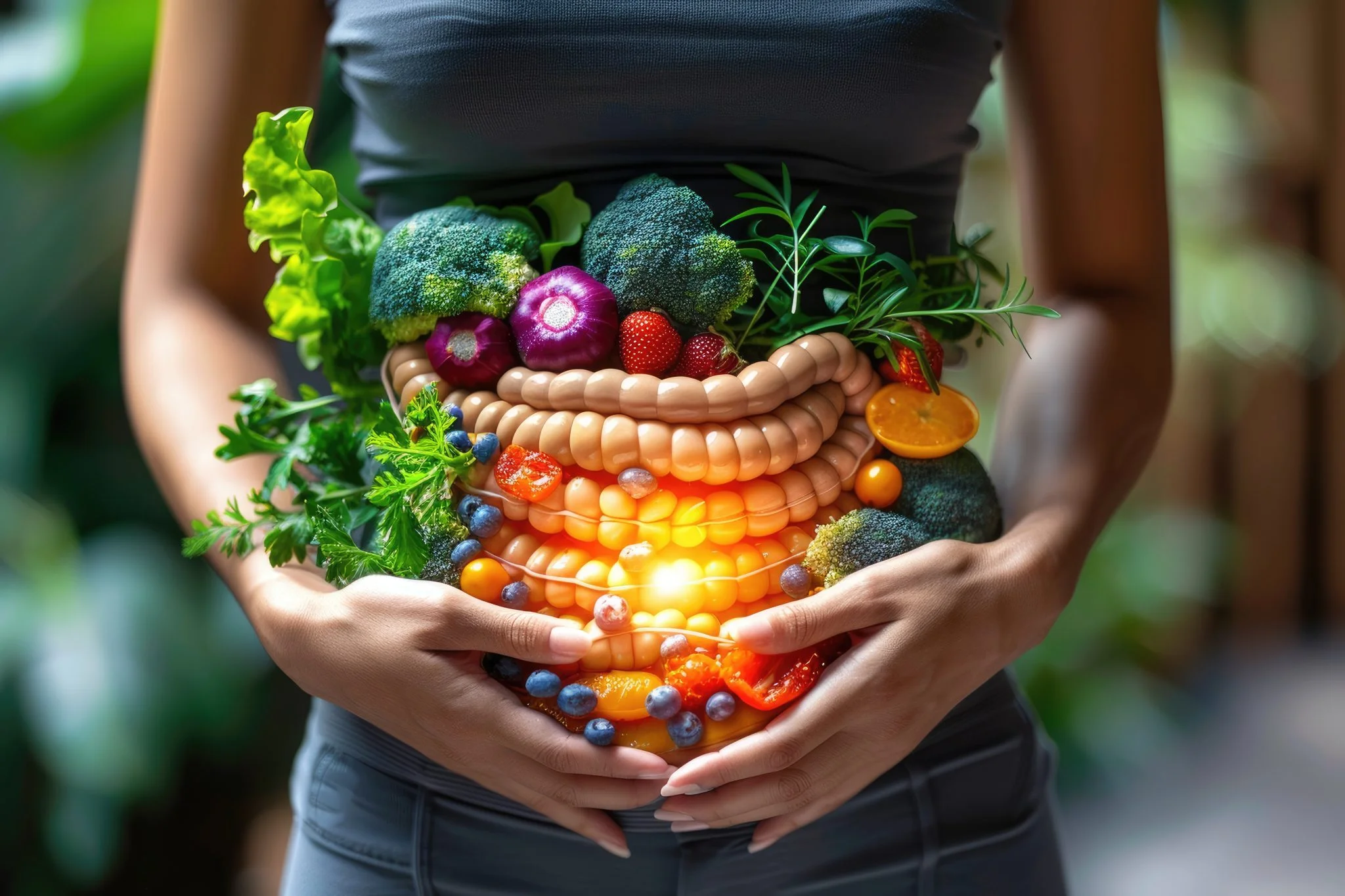
A conceptual image of a person holding an arrangement of fresh vegetables, fruits, and greens shaped like the human digestive system over their midsection, with a glowing light in the center.

Stop consuming foods and drinks that weren’t designed to be eaten.

Firstly, the ingredients on the back of a food label should be the ingredients that you intend on eating.

For example, if a snack bar contains oats, dates, cocoa, etc. all of these you would be happy to eat.

When the list starts moving into xylitol, sorbitol, bulking agents, monosodium glutamate, sodium nitrite, guar gum, carrageenan, sodium benzoate… and other ingredients that sounds like they should be in a chemistry experiment – consume these foods in moderation.

Secondly, become aware of foods that haven’t been prepared in a way that is designed for you to eat.

Highly processed foods such as the bread that you can roll back into dough in your hands, burgers that won’t go off for 6 months, bars that make your throat close up as soon as they hit your mouth… again, practice moderation.

Finally, drinks. Consume drinks in their natural form, or from natural ingredients, where possible: Water, tea, coffee, fresh juice or smoothies, coconut water, you get the picture.

There is likely nothing worse for your gut health than fizzy drinks. Take a step back and look at the liquid in a clear glass and ask yourself, ‘Is this designed to be consumed’, and you will find all the answers you need.

To reiterate, balance and moderation are everything – I myself won’t shy away from a processed meal, alcohol, or one of those bars that I mentioned earlier…

That’s okay, just don’t integrate them into a daily routine. Stick to a foundation of natural foods in the form they are designed to be eaten in.

About The Author

Anthony is the creator of the world’s first macro calculator and a veteran macro coach with over 15 years of experience. Through his expertise and dedication, Anthony has transformed the lives of more than 50,000 clients using the Macro Blueprint, a program meticulously designed to simplify dieting and enhance overall wellness. 

As the founder of IIFYM.com, Anthony offers comprehensive digital diet programs and personalized macro suggestions to help individuals achieve their weight loss goals, improve sleep, boost focus, and build confidence.

Whether you want to track macros, engage in flexible dieting, or optimize your metabolism health, Anthony’s strategies cater to diverse needs. From recomp macros to bodybuilding macros, discover how you can take control of your nutrition and life with Anthony’s proven methods.

In This Article

when counting calories stops working.

Fat Loss & Macro Coaching Why Am I Not Losing Weight in a Calorie Deficit? 12 Things to Check Before Cutting Calories Again You’re tracking your food. You believe you’re in a calorie deficit. Maybe the plan was working for weeks or months. Now the scale won’t move. Before you

15 Min Reading

When to fire your weight loss coach

Macro Coaching 12 Nutrition Coach Red Flags: When to Fire Your Macro or Nutrition Coach If your nutrition coach blames you when progress stops, dismisses menopause, immediately cuts your calories or carbs, gives you generic macros, or has no plan for what happens after weight loss, it may be time

15 Min Reading

Plate of balanced macros showing protein, carbs, and fat portions for weight loss

Updated: June 7, 2026 · By Anthony Collova, founder of IIFYM.com To calculate your macros for weight loss, find your total daily energy expenditure (TDEE), subtract a deficit of 15 to 20 percent, then divide the remaining calories into protein at 0.8 to 1 gram per pound of body weight,

15 Min Reading

IIFYM.com Macros & Fitness
Privacy Overview

This website uses cookies so that we can provide you with the best user experience possible. Cookie information is stored in your browser and performs functions such as recognising you when you return to our website and helping our team to understand which sections of the website you find most interesting and useful.