How to Start IIFYM: A Practical Beginner’s Guide to Flexible Dieting
Written by Anthony Collova, founder of IIFYM.com and creator of the original IIFYM Macro Calculator
Last updated: August 6, 2026
I built IIFYM because people needed a practical alternative to rigid meal plans, forbidden-food lists, and the belief that fat loss required eating the same bland foods every day.
The original idea was simple: your overall calorie and macronutrient intake has a greater effect on your body-composition goals than whether one individual food is labeled “clean” or “dirty.” You can eat foods you enjoy, participate in family meals, go to restaurants, and still work toward fat loss, muscle gain, or improved performance.
That idea helped change the way millions of people approached dieting. It also became oversimplified.
Some people interpreted “If It Fits Your Macros” as permission to ignore food quality. Others turned macro tracking into another form of perfectionism, obsessing over every gram and changing their targets every time the scale moved in the wrong direction.
After more than a decade of building calculators, coaching macro trackers, and watching people succeed and struggle with this method, I teach IIFYM differently today.
IIFYM works best when flexibility is supported by accurate tracking, adequate nutrition, realistic expectations, patience, and a plan you can follow long enough to evaluate.
This guide will show you exactly how to start.
How to Start IIFYM in Seven Steps
To start IIFYM:
- Define a specific and realistic goal.
- Calculate an initial calorie and macro target.
- Choose a food-tracking app and measurement method.
- Build most meals around protein and nutrient-dense foods.
- Track consistently without demanding perfect numbers.
- Review weight, measurements, hunger, energy, and performance trends.
- Adjust one variable at a time only after you have enough reliable data.
Your first macro target is an estimate, not a permanent prescription. Energy equations can give you a useful starting point, but your real-world response determines whether those numbers should stay the same or change. The National Institute of Diabetes and Digestive and Kidney Diseases also treats calorie planning as a dynamic process rather than one fixed number that works forever. See the NIDDK Body Weight Planner.
Calculate your starting macros with the free IIFYM Macro Calculator.
What Is IIFYM?
IIFYM stands for If It Fits Your Macros. It’s a flexible dieting approach based on tracking protein, carbohydrates, fats, and total calories.
Protein, carbohydrates, and fats are called macronutrients because your body requires them in larger amounts than micronutrients such as vitamins and minerals.
- Protein provides four calories per gram.
- Carbohydrates provide four calories per gram.
- Fat provides nine calories per gram.
- Alcohol provides seven calories per gram, although it isn’t considered an essential macronutrient.
Your macro targets determine how your total calories are distributed. Instead of following a fixed menu, you choose foods and portions that bring you reasonably close to those targets.
What IIFYM Is Designed to Do
IIFYM gives you structure without forcing you to eat from a short list of approved foods. It can help you:
- Learn realistic portion sizes.
- Understand how foods contribute to your daily intake.
- Prioritize protein while managing total calories.
- Plan for restaurant meals, social events, and family foods.
- Use data instead of fear when making adjustments.
- Stop judging your entire diet by one meal or one food.
What IIFYM Is Not
IIFYM doesn’t mean all foods are nutritionally identical.
A meal built with lean protein, vegetables, fruit, whole grains, and a suitable fat source may provide more fiber, vitamins, minerals, volume, and fullness than a snack with similar calories.
Both choices may fit your numbers, but they may affect hunger, digestion, training, and overall health differently.
The current Dietary Guidelines for Americans emphasize nutrient-dense foods as the foundation of a healthy eating pattern. Flexible dieting can work within that foundation without requiring perfection or banning foods you enjoy.
IIFYM also isn’t permission to eat without limits. Calories still count. Portions still count. Health conditions still count. Food quality still counts. Your relationship with tracking still counts.
The goal is structured flexibility.
Why I Created IIFYM
Back in 2012, I built one of the first public macro calculators online because people kept asking the same question:
“Can I eat this food and still reach my goal?”
The answer was usually some version of, “If it fits your macros.”
At the time, the fitness industry was dominated by rigid bodybuilding meal plans. People were told that fat loss required eating every few hours, avoiding entire food groups, carrying containers of chicken and rice everywhere, and treating a single restaurant meal like a failure.
I knew there had to be a better way.
I turned the idea behind that forum phrase into a practical system. The calculator helped people estimate their calorie and macro targets. IIFYM.com gave them instructions for applying those numbers to real food and real life.
The numbers helped, but years of coaching taught me that numbers were never the whole solution.
People could receive an accurate starting plan and still struggle because they changed it too quickly, tracked inconsistently, ignored the food they ate when they went off-plan, or expected the scale to move in a straight line.
That’s why this version of the IIFYM beginner’s guide focuses on what happens after you calculate your macros.
How to Calculate Your Starting Macros
Your starting macros should be based on your estimated energy needs, goal, body size, activity, and training demands.
The fastest option is to use the IIFYM Macro Calculator. Enter your age, height, weight, activity, and goal, then use the results as your initial target.
No calculator can directly measure your metabolism through a web form. A calculator uses validated equations and assumptions to estimate your energy needs.
The Mifflin-St Jeor equation is commonly used to estimate resting energy expenditure in adults. Research supports its usefulness, but every predictive equation has individual error. Your calculator result should be treated as a starting point that you test against your actual progress. Review the original Mifflin-St Jeor research on PubMed.
Step 1: Estimate Your Resting Energy Needs
Your resting metabolic rate or basal metabolic rate estimates the energy your body uses to maintain essential functions at rest.
This isn’t the same as the total number of calories you burn each day.
Step 2: Estimate Your Total Daily Energy Expenditure
Your total daily energy expenditure, often called TDEE, includes:
- Energy used at rest.
- Daily movement and activity.
- Planned exercise.
- Energy used to digest and process food.
Activity is one of the largest sources of error in online calculators. People may overestimate intense exercise while underestimating how sedentary the rest of their day is.
Choose the activity level that reflects your average week, not your most active day.
Step 3: Match Calories to Your Goal
Your calorie target depends on whether you want to lose fat, maintain your weight, or gain muscle.
- Fat loss generally requires an energy deficit over time.
- Weight maintenance requires intake that remains near your average energy expenditure.
- Muscle gain may benefit from sufficient energy, adequate protein, and progressive resistance training.
The appropriate deficit or surplus varies by person. Larger and more active individuals may tolerate a greater calorie change than smaller or less active individuals. Medical history, dieting history, body composition, training, appetite, and recovery should also be considered.
Step 4: Set Protein
Protein supports muscle tissue, recovery, and fullness. Research in exercising adults often places useful protein intake above the minimum needed to prevent deficiency.
The International Society of Sports Nutrition has discussed a daily range of approximately 1.4 to 2.0 grams of protein per kilogram of body weight for many exercising adults, with individual needs varying by training, energy intake, age, and health status. Read the ISSN position stand on protein and exercise.
People with kidney disease or other medical concerns should get individualized guidance before significantly increasing protein intake.
Step 5: Set Carbohydrates and Fats
After protein and essential dietary needs are addressed, carbohydrates and fats can be distributed according to your calories, preferences, training demands, health needs, and tolerance.
There isn’t one universally superior macro split for fat loss.
In the DIETFITS randomized clinical trial, a healthy low-fat diet and a healthy low-carbohydrate diet didn’t produce a significant difference in average 12-month weight loss. Individual responses varied, which reinforces the value of adherence, diet quality, and personalization. Read the DIETFITS study in JAMA.
How to Track Macros Accurately
You don’t need perfect tracking to make progress, but you do need enough consistency to evaluate whether your targets are working.
Choose a Food-Tracking App
Use an app that allows you to track calories, protein, carbohydrates, and fats. My Macros+, Cronometer, Lose It!, and similar apps can all work when the database entries are accurate and you use them consistently.
No food database is flawless. User-created entries can contain mistakes, so compare questionable entries with the nutrition label or the USDA database.
Use a Digital Food Scale During the Learning Phase
Measuring cups can be useful, but a digital food scale is usually more precise for foods such as:
- Rice and pasta.
- Cereal and oats.
- Nut butter.
- Cooking oils.
- Cheese.
- Meat and fish.
- Snack foods.
You may not need to weigh every ingredient forever. Many people use detailed tracking long enough to learn portions, then move toward a less intensive method once they can maintain results.
Match Raw and Cooked Food Entries
One of the most common macro-tracking mistakes is weighing a food cooked while using a raw database entry, or weighing it raw while using a cooked entry.
Rice, pasta, meat, and other foods change weight during cooking because they gain or lose water.
If you use a raw nutrition entry, weigh the food raw. If you use a cooked entry, weigh it cooked. Consistency is more useful than arguing that one method is always superior.
Track the Foods People Commonly Forget
Untracked calories often come from small items rather than obvious meals:
- Oil used for cooking.
- Creamer and sweeteners.
- Sauces and dressings.
- Alcohol.
- Bites while cooking.
- Children’s leftovers.
- Restaurant toppings.
- Weekend snacks.
Tracking these items isn’t about guilt. It gives you complete enough information to make a useful decision.
Pre-Log Difficult Meals
Entering a meal before you eat it allows you to see how it affects the rest of your day.
Pre-logging is helpful when you’re eating at a restaurant, attending an event, or planning a higher-calorie dinner. You can build the earlier meals around protein, fruit, vegetables, and portions that leave room for the planned meal.
Systematic reviews have generally found that dietary self-monitoring is associated with better weight-management outcomes, although results depend on consistency and the broader program. Review research on dietary self-monitoring.
What Can You Eat on IIFYM?
IIFYM doesn’t require a fixed meal plan or a universal food list.
Your meals can include foods you enjoy, foods from your culture, meals with your family, and food from restaurants. The strongest approach is to build most of your intake from foods that support fullness, health, recovery, and performance, then leave room for flexibility.
Protein-Rich Foods
- Chicken, turkey, and lean meat.
- Fish and seafood.
- Eggs and egg whites.
- Greek yogurt and cottage cheese.
- Tofu, tempeh, and seitan.
- Beans, lentils, and legumes.
- Protein powders when convenient.
Carbohydrate Sources
- Rice, oats, bread, pasta, and cereal.
- Potatoes and other starchy vegetables.
- Fruit.
- Beans and lentils.
- Tortillas and grains.
- Milk and yogurt.
Dietary Fat Sources
- Olive oil.
- Avocado.
- Nuts and seeds.
- Nut butter.
- Eggs.
- Fatty fish.
- Dairy products.
Flexible Foods
Dessert, pizza, burgers, restaurant meals, and snack foods can fit inside a balanced eating pattern.
The purpose of flexibility isn’t to force every treat into your targets. It’s to stop treating one food as proof that you’ve succeeded or failed.
A Better Rule Than “Clean Eating”
Instead of asking whether a food is good or bad, ask:
What does this food contribute to my day, and will the overall day support my goal, hunger, energy, digestion, and health?
Some people use an 80/20 approach, with most food coming from nutrient-dense choices and a smaller portion coming from flexible foods. That can be a useful guideline, but it isn’t a medical formula or an official requirement of IIFYM.
How Close Do You Need to Get to Your Macros?
Your macro targets are tools, not a daily pass-or-fail test.
For most healthy adults using macros for general fat loss or body composition, a practical hierarchy is:
- Track the full day honestly.
- Stay near your calorie target.
- Hit your protein target as consistently as possible.
- Include adequate fiber and a range of nutrient-dense foods.
- Allow carbohydrates and fats to vary modestly when needed.
There’s no benefit to adding random food at night simply to force every macro to land on an exact number.
There’s also no reason to abandon the day because one meal pushed you over.
Log it, learn from it, and return to your normal plan at the next meal.
Consistency across weeks is more useful than perfection across individual days.
A Practical Seven-Day IIFYM Starter Plan
Day 1: Calculate and Observe
Use the IIFYM Macro Calculator to get your starting numbers. Download a tracking app and log what you normally eat without trying to manufacture a perfect day.
Your first job is to learn your current patterns.
Day 2: Check Your Portions
Use a food scale for two or three foods that are difficult to estimate. Compare the weighed amount with the portion you would normally serve.
This exercise often reveals more than immediately cutting calories.
Day 3: Build One Balanced Meal
Create one meal with:
- A meaningful protein source.
- A carbohydrate source.
- A vegetable or fruit.
- A suitable fat source.
- A portion that fits your daily target.
Save the meal in your tracking app if you’ll eat it again.
Day 4: Pre-Log Tomorrow
Enter one or two meals before you eat them. Look for places where protein becomes difficult to hit or fats rise faster than expected.
Make adjustments before hunger and convenience make the decision for you.
Day 5: Practice Flexibility
Include one food you enjoy that you may have previously considered off-limits. Fit it into the day without calling it a cheat meal or compensating with punishment.
Day 6: Plan for Real Life
Practice estimating a restaurant meal, family meal, or social event. Use the best information available, accept that the estimate won’t be perfect, and return to your usual tracking afterward.
Day 7: Review the Process
Ask yourself:
- Which meals kept me full?
- Where did tracking become difficult?
- Did I consistently miss protein?
- Did fats or snacks use more calories than expected?
- What food could I prepare in advance?
- Did tracking feel useful, neutral, stressful, or compulsive?
Don’t lower your calories because of seven days of scale data. Use the first week to improve the quality of the information you’re collecting.
Get Free Support From the IIFYM Community
Learning macros becomes easier when you can ask questions and see how other people handle restaurant meals, meal prep, hunger, family events, tracking mistakes, and setbacks.
The IIFYM Macro Secrets Facebook group is a free community with more than 100,000 members discussing macro tracking, flexible dieting, recipes, fat loss, accountability, and real-world troubleshooting.
Does IIFYM Work for Weight Loss?
IIFYM can support weight loss when it helps you maintain an appropriate calorie deficit over time.
The method doesn’t override energy balance. Its advantage is that it gives you flexibility in how you create and maintain that intake.
A flexible structure may be easier for some people to follow than a rigid menu because it allows room for preferences, cultural foods, restaurants, and social events.
Research comparing flexible and rigid dietary control has found associations between more flexible restraint and more favorable psychological or weight-management outcomes in some populations. These studies don’t prove that IIFYM is ideal for everyone, but they support the idea that extreme rigidity isn’t required for progress. Review research on flexible and rigid dietary control.
Macro tracking may also help you:
- Recognize portions that are larger than expected.
- Identify low-protein or low-fiber patterns.
- Understand the calorie density of common foods.
- Plan social meals without abandoning the week.
- Make changes based on trends instead of fear.
Results still vary. Weight is affected by intake, activity, sleep, health, medication, appetite, food environment, and other biological and behavioral factors. Learn more from NIDDK about factors affecting weight and health.
IIFYM is a tool. The quality of the result depends on whether the tool is appropriate for you and how consistently you use it.
Benefits and Limitations of IIFYM
Potential Benefits
- More food choice than a rigid meal plan.
- A clear method for learning portions and nutrition labels.
- Room for cultural, family, and social foods.
- A structure for managing calories and protein.
- Data that can support thoughtful adjustments.
- Less dependence on “good food” and “bad food” rules.
- A practical bridge between a calorie estimate and daily meals.
Potential Limitations
- Tracking can be time-consuming at first.
- Food database entries may be inaccurate.
- Restaurant meals require estimation.
- Food quality can be neglected when people focus only on numbers.
- Tracking may become rigid or obsessive for some people.
- A general calculator may be unsuitable for certain medical conditions.
- People can mistake normal weight fluctuation for a failed plan.
Flexible dieting should create more freedom over time, not less.
If tracking increases anxiety, guilt, bingeing, food avoidance, compensatory exercise, or constant preoccupation with calories and body weight, step back and speak with a qualified professional. The National Eating Disorders Association identifies intense preoccupation with weight, calories, food, and dieting among warning signs that deserve attention. Review NEDA’s warning signs and symptoms.
Common IIFYM Mistakes
1. Treating the Calculator as an Exact Measurement
Your result is an estimate. Follow it consistently, collect reliable data, and adjust based on trends.
2. Cutting Calories Too Aggressively
A larger deficit isn’t automatically better. Excessive restriction can increase hunger, fatigue, food preoccupation, training decline, and loss of lean tissue.
3. Ignoring Food Quality
A day can match its macros and still fall short on fiber, vitamins, minerals, food variety, or fullness.
4. Changing Macros After a Few Scale Fluctuations
Daily weight changes can reflect water, sodium, carbohydrates, digestion, training soreness, travel, sleep, and menstrual-cycle changes.
One weigh-in doesn’t tell you whether the plan is working.
5. Mixing Cooked and Raw Food Entries
Use the nutrition entry that matches the state in which the food was weighed.
6. Forgetting Oils, Drinks, Sauces, and Small Bites
These items can create a meaningful difference between logged and actual intake.
7. Trying to Hit Every Number Exactly
Perfection makes tracking harder to sustain. Use your targets to guide decisions, not to grade your worth.
8. Eating Back Every Exercise Calorie
Fitness watches, cardio machines, and apps estimate calorie expenditure. Automatically eating back every displayed calorie may erase part or all of the intended deficit.
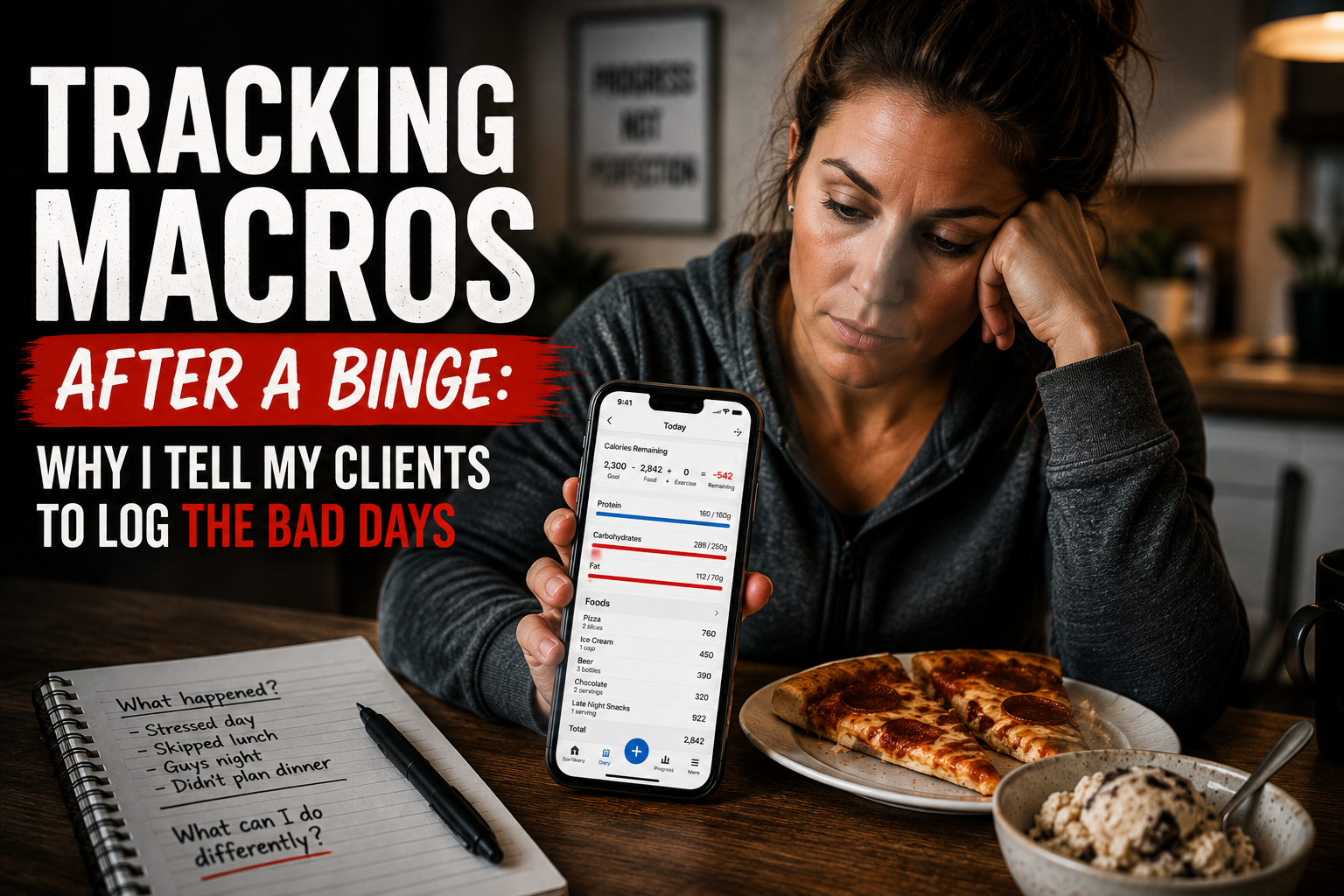
9. Hiding the Days That Went Off-Plan
The days you’re tempted not to track often contain the most useful information.
Log what happened as accurately as possible. Honest data makes the plan easier to correct.
10. Continuing When Tracking Becomes Harmful
Macro tracking isn’t mandatory. A different structure may be more appropriate if numbers create anxiety, compulsion, or disordered behavior.
When Should You Adjust Your Macros?
Don’t change your macros because the scale stayed the same for a few days.
Before lowering calories, ask:
- Did I track consistently?
- Did I include drinks, oils, sauces, bites, and weekend meals?
- Did my steps or training change?
- Am I comparing weekly averages under similar conditions?
- Could water retention or digestion be masking the trend?
- Have my sleep, hunger, mood, or training performance deteriorated?
- Is the current target realistic enough to follow?
CDC guidance describes gradual weight loss of about one to two pounds per week as a sustainable general pace for many adults, but the appropriate rate depends on body size, health, training, and individual circumstances. Read the CDC’s guidance on losing weight.
A smaller person may lose more slowly. Someone with a higher starting body weight may lose faster at the beginning. Recomposition can also change measurements and appearance without producing dramatic scale loss.
When an adjustment is justified, change one variable at a time. Avoid lowering calories, adding cardio, changing training, and manipulating sodium simultaneously.
A single, modest adjustment gives you a clearer understanding of what produced the next result.
When a Free Calculator Isn’t Enough
A macro calculator can give you a strong starting estimate. It can’t watch your weekly patterns, identify why your plan keeps breaking down, or make strategic adjustments based on your response.
You may need more support if:
- You repeatedly change your macros because you don’t trust the plan.
- You understand tracking but struggle with consistency.
- You’ve been dieting for months without a clear strategy.
- You don’t know whether to reduce calories, increase food, add a refeed, or wait.
- You need accountability and someone else making the decisions.
- You’ve lost weight before but regained it because you had no reverse diet or aftercare plan.
The 16 Week Deadline Diet is my private macro coaching program for experienced trackers who need a structured strategy, weekly accountability, planned adjustments, and a clear aftercare process.
Frequently Asked Questions About Starting IIFYM
Do I Need to Hit My Macros Exactly?
No. Your targets are planning tools. Consistent patterns are more useful than forcing every number to match perfectly. Prioritize honest tracking, calories, protein, fiber, and overall diet quality.
Can I Eat Anything on IIFYM?
You can include a wide range of foods. That doesn’t mean every food offers the same nutrition, fullness, or performance benefit. Build the foundation with nutrient-dense foods and include flexible foods intentionally.
Is IIFYM the Same as Counting Calories?
They overlap, but they aren’t identical. Calorie counting tracks total energy. Macro tracking also considers how those calories are distributed among protein, carbohydrates, and fats.
What’s the Best Macro Split for Weight Loss?
There isn’t one best split for everyone. Total calories, protein needs, activity, training, health, food preferences, and adherence all influence the right starting point.
How Accurate Is an IIFYM Calculator?
A calculator can provide a useful estimate. It can’t directly measure your metabolism or predict your exact response. Use the estimate consistently and refine it with real-world data.
Do I Need a Food Scale?
A food scale can improve portion awareness and consistency, especially during the first few weeks. You may not need to use it forever.
How Long Should I Wait Before Adjusting My Macros?
Wait until you have enough consistent data to distinguish a real trend from normal fluctuation. For many people, this means reviewing multiple weekly averages rather than reacting to several individual weigh-ins.
Can IIFYM Work for Vegetarians or Vegans?
Yes. Plant-based users can build macros around legumes, tofu, tempeh, seitan, soy foods, grains, nuts, seeds, and other suitable foods. Protein quality, vitamin B12, iron, calcium, iodine, omega-3 fats, and other nutrients may require more deliberate planning.
Can IIFYM Work Without Exercise?
Yes. Macro tracking doesn’t require exercise. Physical activity still supports health, function, strength, and long-term weight management.
What Should I Do If I’m Hungry All the Time?
Review the size of the calorie deficit, protein intake, fiber-rich foods, meal volume, sleep, stress, meal timing, and food choices. Persistent hunger may mean the plan is too aggressive or poorly structured.
What If Tracking Makes Me Anxious or Obsessive?
Reduce or stop tracking and speak with a qualified professional, especially if you have a history of disordered eating. A nutrition strategy should support your life, not consume it.
Can I Use IIFYM While Taking a GLP-1 Medication?
Macro tracking may help some people maintain adequate protein and nutrition while using a GLP-1 medication, but medication dosing and nutrition should be supervised by the prescribing clinician. Appetite suppression can make it harder to eat enough protein, fiber, and total nutrients.
Should I Eat Back Calories Burned During Exercise?
Usually, exercise should already be considered in the activity estimate used to calculate your macros. Fitness trackers can overestimate calorie expenditure, so automatically eating back every displayed calorie may interfere with your goal.
Your Next Step
The right next step depends on how much support you need.
Calculate Your Starting Numbers
Use the free IIFYM Macro Calculator.
Get Free Community Support
Join the IIFYM Macro Secrets Facebook group.
Get Personalized Coaching
Explore the 16 Week Deadline Diet coaching program.
IIFYM works best as a repeatable decision-making framework, not a race toward the lowest possible calories.
Start with a reasonable estimate. Learn how your food choices affect your intake. Track honestly. Review trends. Make changes deliberately.
The macros give you structure. What you do with them determines the result.
Sources and References
- National Institute of Diabetes and Digestive and Kidney Diseases: Body Weight Planner.
- NIDDK: Factors Affecting Weight and Health.
- Dietary Guidelines for Americans.
- Mifflin MD, et al. A New Predictive Equation for Resting Energy Expenditure in Healthy Individuals.
- International Society of Sports Nutrition Position Stand: Protein and Exercise.
- DIETFITS Randomized Clinical Trial: Healthy Low-Fat vs. Healthy Low-Carbohydrate Diet.
- Dietary Self-Monitoring and Weight-Loss Research.
- Flexible and Rigid Dietary Control Research.
- Centers for Disease Control and Prevention: Losing Weight.
- National Eating Disorders Association: Warning Signs and Symptoms.
Real Stories, Real Results
What our clients say about IIFYM
Laura Wand
32 y/o
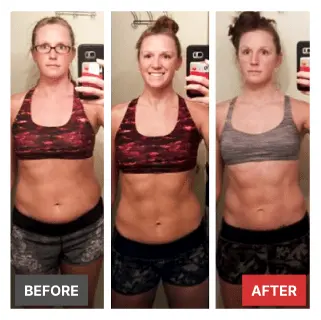
IIFYM has been a game-changer for me! I've lost 20 lbs while enjoying my favorite treats. Thanks to this flexible approach, I've found a sustainable way to maintain my progress.
Sophia
41 y/o
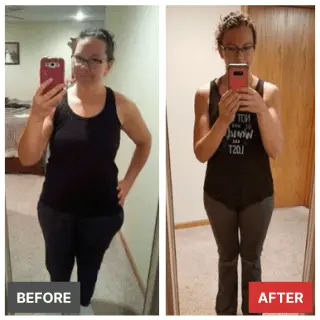
IIFYM's Macro Blueprint transformed my diet. I've lost 15 pounds and feel amazing! It's the most personalized program I've ever tried.
Olivia
29 y/o
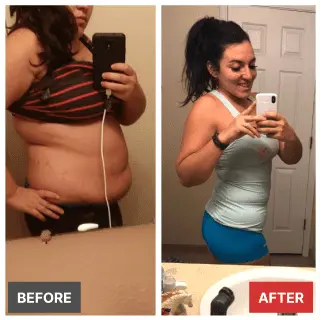
IIFYM made me realize that healthy eating doesn't have to be boring. It's been a delicious journey, and I've never felt better! 🥦🍔🍰
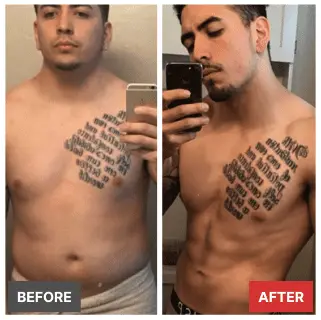
Jake
32 y/o
IIFYM is the ultimate tool in my fitness toolbox! I've reached my dream physique without restrictions. This approach has shown me that food is fuel.
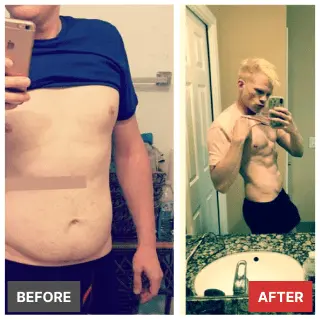
Ben
45 y/o
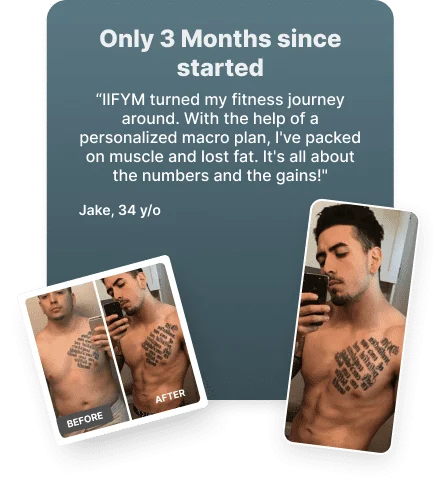
IIFYM turned my fitness journey around. With the help of a personalized macro plan, I've packed on muscle and lost fat. It's all about the numbers and the gains!
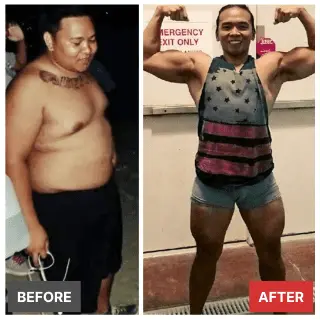
Mike
41 y/o
I used to struggle with portion control until I discovered IIFYM. It's taught me how to balance my macros, and I've lost fat while keeping my muscle.
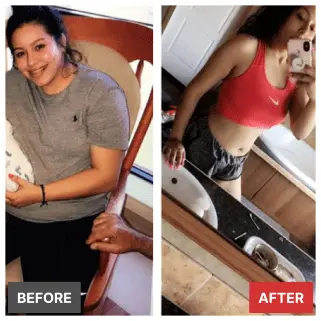
Haley
41 y/o
The 16-Week Deadline Diet helped me reach my goals. The support and coaching are incredible—I can't recommend it enough!
Isabella
41 y/o
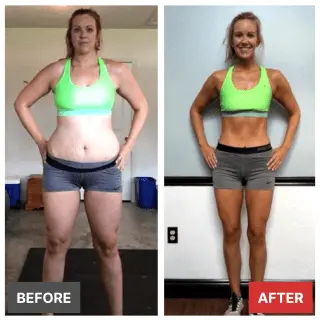
IIFYM is the secret behind my transformation! I've achieved my weight loss goals while indulging in my guilty pleasures. Don't count the days; make the days count!
Haley
32 y/o
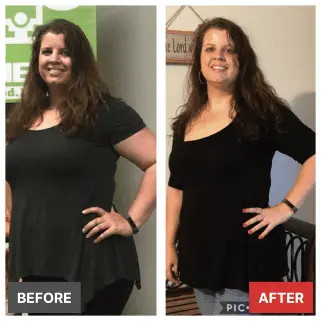
I never thought losing weight could be this easy. The personalized macros have made all the difference for me. Thank you, IIFYM!
FAQs
IIFYM stands for “If It Fits Your Macros,”. IIFYM is all about flexibility. Instead of obsessing over calorie counts, IIFYM focuses on tracking macronutrients, like protein, fat, and carbs.
In simpler terms, IIFYM is a dieting approach where you eat whatever you want as long as it fits your macro goals. It’s a method for losing weight without feeling like you’re constantly saying no to foods you love.
Since macros are where calories come from, hitting your macro targets means you’re also hitting your weight loss calorie goals.
Well, the good news is, you can enjoy any food you like, whether it’s pizza or salad, as long as it fits into your daily macronutrient targets.
IIFYM, also known as “If It Fits Your Macros,” is gaining popularity for its flexible approach to eating. It’s all about balance and understanding where your protein, fats, and carbs are coming from.
So, go ahead and indulge in your favorite treats while still reaching your nutritional goals.
Clean eating usually involves strict diets that can be hard to stick to for a long time. However, following IIFYM doesn’t mean you can eat junk all the time.
Most people who do IIFYM focus on eating lots of nutrient-rich foods but also include other foods (which might not be considered “clean”) in moderation.
While there’s no single definition of clean eating, for most people, it’s about choosing healthier options from various food groups instead of unhealthier ones.
This means enjoying whole foods like veggies, fruits, proteins, healthy fats, and whole grains, among others.
IIFYM, or If It Fits Your Macros, was pioneered by bodybuilder and fitness enthusiast Anthony Collova.
It marked a significant shift from traditional calorie counting to focusing on macronutrients. With IIFYM, you analyze the protein, carbs, and fat in your food to find a personalized balance.
I’m Anthony Collova, the brain behind IIFYM.com and the Macro Calculator. He has also developed 17 other calculators, now utilized by over 200 websites, alongside numerous companies and nutrition coaches.
MyFitnessPal and Macro Plus are the go-to choices for most people. They’re the top picks among users for a reason.
With their wide range of foods in the database and user-friendly interface, these apps are perfect for everyone, whether you’re just starting out or already know your way around.
If you don’t move around much (like little to no exercise), you can calculate your calories by multiplying your BMR (Basal Metabolic Rate) by 1.2.
If you’re somewhat active (doing light exercise or sports 1-3 days a week), multiply your BMR by 1.375.
And if you’re moderately active (exercising or playing sports 3-5 days a week), multiply your BMR by 1.55.
Your ideal calorie intake can vary based on things like your age, metabolism, and how much you move. But generally, women aim for around 2,000 calories per day, while men aim for around 2,500.
Alternatively, you can use our TDEE calculator to determine your daily calorie needs.
Here’s the macro breakdown: Aim for 0.7–1.0 grams of protein per pound of your body weight. For fats, it’s 0.25 to 0.4 grams/ pound. The rest of your calories can come from carbs.
As for protein needs, they should make up 10-35 percent of your daily calorie intake. For example, if you’re on a 3,000-calorie diet, that’s 300–1000 calories from protein.
To prevent any deficiency, experts recommend 0.8 grams of protein per kg of your body weight. This is for an average adult with a sedentary lifestyle.
Here are some scientifically-backed methods for weight loss:
- Give macro-based IIFYM dieting a try.
- Keep tabs on what you eat and your physical activity.
- Be more aware of your eating habits.
- Make sure to have protein with your meals.
- Cut down on sugary and processed foods.
- Amp up your fiber intake.
- Maintain a healthy balance of gut bacteria.
- Prioritize getting quality sleep
Reducing added sugars and processed foods in your diet can kickstart weight loss in just seven days.
Hydrating well and increasing fiber intake can also be beneficial.
However, keep in mind that many factors influence weight loss, and going for a slower, steadier approach of losing 0.5 to 2 pounds per week is often more sustainable.
Dickerson, R. N., Patel, J. J., & McClain, C. J. (2017, February 1). Protein and calorie requirements associated with the presence of obesity. Nutrition in Clinical Practice, 32, 86S–93S
https://onlinelibrary.wiley.com/doi/full/10.1177/0884533617691745
Gardner, C. D., Trepanowski, J. F., Del Gobbo, L. C., Hauser, M. E., Rigdon, J., Ioannidis, J. P. A. … King, A. C. (2018, February 20). Effect of low-fat vs low-carbohydrate diet on 12-month weight loss in overweight adults and the association with genotype pattern or insulin secretion: The DIETFITS randomized clinical trial. Journal of the American Medical Association, 319(7), 667–679
https://jamanetwork.com/journals/jama/fullarticle/2673150?redirect=true
Wischmeyer, P. E. (2017, December 28). Tailoring nutrition therapy to illness and recovery. Critical Care, 21(3)
https://www.ncbi.nlm.nih.gov/pmc/articles/PMC5751603/
Carpenter, A., Pencharz, P., & Mouzaki, M. (2015, January). Accurate estimation of energy requirements of young patients. Journal of Pediatric Gastroenterology and Nutrition, 60(1), 4–10
https://onlinelibrary.wiley.com/journal/15364801
Healthy eating plan. (n.d.)
https://www.nhlbi.nih.gov/health/educational/lose_wt/eat/calories.htm
Raynor, H. A., & Champagne, C. M. (2016, January). Position of the Academy of Nutrition and Dietetics: Interventions for the treatment of overweight and obesity in adults [Abstract]. Journal of the Academy of Nutrition and Dietetics, 116(1), 129–147. Retrieved from
https://www.sciencedirect.com/science/article/pii/S2212267215016366